Autopilot
Skip to mentor profile

Grand Slam mentor 03 / 05

Leadership and culture

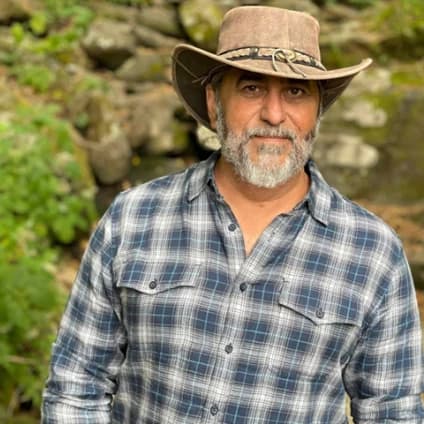
Kevin Hess

He turned a life-altering diagnosis and a hard truth into a system for building leaders.

Kevin spent years becoming an exceptional manager. Cancer made time feel painfully finite, then a trusted executive told him the truth: he knew how to manage a business, but he had not yet learned to lead people. What Kevin built after that moment is the reason he belongs in this room.

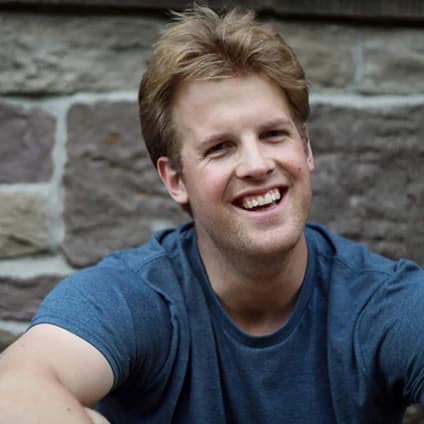
Kevin Hess, leadership coach and founder of The Junk Evolution
The Junk Evolution • Survivor Junk RemovalOperator, cancer survivor, author, and blue-collar leadership coach
13+ yearsof direct junk-removal industry experience
175franchises in the system his team set out to lead
3published books on purpose, grit, and accountability
1 missionbuild stronger people and stronger companies

Success stopped being enough when time stopped feeling guaranteed.

Kevin's story is not inspirational decoration around a leadership résumé. It explains the urgency behind the work. He has managed operations at a high level, watched a diagnosis rearrange his priorities, rebuilt a culture around other people's growth, and chosen to make that method portable for owners who are still carrying too much alone.

01

The wake-up call

A decade of management could not answer the question cancer forced him to ask.

Kevin spent more than thirteen years in junk removal, including more than ten years inside the 1-800-GOT-JUNK? system and time as a general manager. He understood process, standards, customer experience, and the daily machinery of a large operation. The business grew. By the conventional scoreboard, he was good at the job.

Then Kevin was diagnosed with colon cancer at forty-six and learned he had Lynch syndrome, a hereditary condition associated with increased cancer risk. Months of surgeries changed his relationship with time. He began asking what the work would mean if he did not have forever to get to the meaningful part.
02

The sentence that changed his career

You are a great manager. You are not yet a leader.

Kevin asked a vice president in the franchise system for direct feedback. The answer was compassionate and blunt. Kevin was one of the strongest managers the executive knew, but he was not good at managing people. He knew how to control the operation. He had not learned how to help another person grow into ownership, judgment, and leadership.

Instead of defending himself, Kevin studied. He read, listened, sought examples, and changed the work itself. One-on-ones became conversations about personal and professional goals. Performance measures became coaching tools. Employees received visible benchmarks and paths to become trainers, managers, and leaders, including paths that might someday take them outside Kevin's own organization.

03

The leadership factory

He stopped hoarding strong people and built the next leader behind each one.

Kevin rebuilt training beyond the familiar 'ride along and figure it out' model. Team members moved through competence, certification, training, and leadership. In 2022, he gathered a team of roughly forty and put ambitious goals on the board: earn Franchise of the Year recognition, become the leading performer in a 175-franchise system, and move people forward inside or outside the company's walls.

Then he acted as if the third goal mattered as much as the first two. Strong team members moved into opportunities in other markets. A Legacy Wall displayed people who had advanced. When a teammate's numbers fell short, developing leaders volunteered to coach instead of ridicule. Daily meetings that once depended on Kevin began running through the people he had prepared.

Kevin recounts that the team finished the year as Franchise of the Year and the top performer in that system. The recognition is powerful. The more important evidence is structural: the operation had become capable of producing leaders rather than simply consuming labor.

04

From success to significance

The trophy was not the ending. It clarified what he wanted to leave behind.

Another family cancer diagnosis stopped Kevin at what looked like the peak. His mother reminded him of the books and businesses he had talked about but not finished, and of a father who never got to complete everything he wanted. Kevin left the franchise, started Survivor Junk Removal, and began turning the lessons into writing, training, and a larger mission.

The name Survivor is literal and deliberate. It carries his father's illness, Kevin's own cancer, Lynch syndrome, second chances, community service, and the belief that adversity does not get the final word. Through The Junk Evolution and three books on purpose, grit, and accountability, Kevin now helps owners build systems and people at the same time.

His aim is larger than a smoother schedule. He wants owners to build a company where a new hire can see a future, a manager can become a leader, a customer can feel genuinely cared for, and the standard remains after the strongest person leaves the room.

What most owners discover too late

Being the strongest worker in the company can make the company fragile.

An owner can solve every problem, answer every question, rescue every job, and still be quietly training the team to remain dependent. Kevin helps expose the difference between control and leadership. Control gets today's task done. Leadership develops people who can carry the standard, coach a teammate, make a sound decision, and improve the system tomorrow.

That is why his work joins metrics with humanity. Numbers reveal where support is needed. One-on-ones reveal what a person wants. Training creates competence. Accountability protects the promise. A visible path turns a job into a future someone might choose to own.

Build people who can carry the business with you.

Kevin can work at the exact point where many growing operators stall: the owner has proven the service, but the team, culture, and management system have not caught up with the demand.

01

From task manager to people leader

Replace constant correction with clear expectations, useful one-on-ones, real questions, coaching, and a path that helps team members take ownership of standards and outcomes.

02

A training path that produces the next trainer

Move beyond informal ride-alongs. Define competence, certification, practice, feedback, and advancement so the person learning today can responsibly develop someone else tomorrow.

03

Metrics that trigger coaching, not fear

Make performance visible, then use the information to diagnose, teach, and improve. The goal is a culture where a weak number creates a plan instead of a target on someone's back.

04

Customer experience that outlives the transaction

Strengthen the call-ahead, arrival, quote, rapport, execution, final walkthrough, ethical upsell, objection handling, review request, and follow-up that turn one job into trust, referrals, and lifetime value.

05

Purpose, accountability, and blue-collar credibility

Set a vision people can understand, hold the line without demeaning anyone, and lead close enough to the work that the standards feel earned. Kevin's approach is direct because respect and accountability need each other.

Six months of live access

Stop carrying every standard by yourself.

Kevin's sessions turn culture from a vague hope into specific leadership behavior. Bring the hire who is not progressing, the manager who only reacts, the meeting no one owns, or the customer experience that changes with every crew.
  • Define the difference between a reliable worker, trainer, manager, and leader.
  • Build a visible development path that gives good people a reason to stay and grow.
  • Use one-on-ones and performance measures as coaching tools.
  • Find the customer-experience moments that create trust, reviews, referrals, and repeats.
  • Choose one owner-dependent responsibility and begin developing the person who can carry it.

Watch, read, and hear more from Kevin.

This profile was built from first-person interviews, public business material, and the work Kevin has shared in the field.

Meet the rest of your Grand Slam coaching team.

Five mentors. Thirty live classes. One complete growth system.

Put this much hard-won experience in your corner.

Meet with the team, see whether the program fits your business, and leave with a clearer picture of what comes next.