Table of contents
- What a hoarder house cleanout actually involves
- How to price a hoarder house cleanout
- Where hoarder cleanout leads come from
- Crew, safety, and the lines you do not cross
- The emotional side nobody trains you for
- Surviving the multi-day grind
- FAQ: hoarder house cleanouts
- Run the big jobs without dropping the small ones
The biggest hoarder house cleanout I ever did was $11,500. One bedroom was packed with trash up to chest height, and the resident had been walking on top of the material to get around. We hauled load after load out of that house, used buckets for the loose trash, and found rat holes along the way. I have handled dirtier jobs, including a meth house and homeless camps with needles, but I have never seen a house that full.
That job did not come from a referral or a hoarding TV show. It came from a Facebook ad, and it took one to two months of follow-up before it converted. Which tells you two things about hoarder house cleanouts right away: they are some of the biggest tickets in junk removal, and they almost never close on the first phone call.
This post is everything I know about pricing these jobs, staffing them, protecting your crew, and treating the person who lives there like a human being.
What a hoarder house cleanout actually involves
A normal junk removal job is a couch, a garage corner, maybe a full truckload. A hoarder house cleanout is a different animal: every room, floor to chest height, multiple truckloads, and days of labor instead of hours.
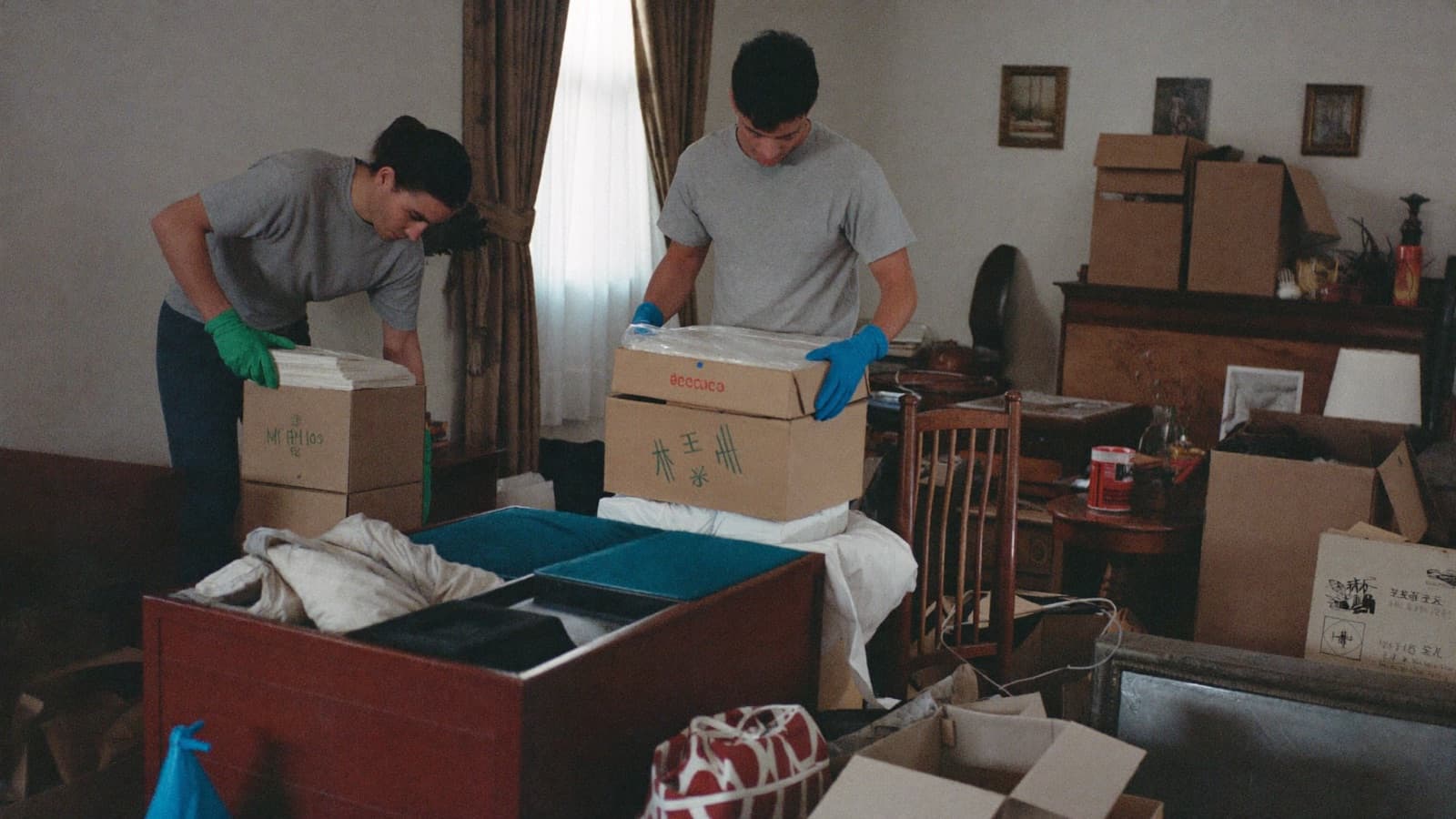
On my $11,500 job, the scope included packed bedrooms, a buried dining and kitchen area, side-yard material, and enough loose debris that we moved a lot of it by bucket. You are not just lifting furniture. You are excavating a house one layer at a time, sorting as you go, and finding surprises under every layer. Some surprises are a popcorn machine. Some are rats.
Expect multiple truckloads, multiple dump runs, and a job that eats one to three days with a full crew. If you price it like a big single-day job, you will lose money by lunch on day two.
How to price a hoarder house cleanout
Volume pricing still rules, but hoarder jobs punish lazy estimating. Here is my system.

Never quote from photos alone. I learned this on my $115,000 warehouse job: the customer sent a PowerPoint with small photos, and there was no way to bid accurately without walking the site. Hoarder houses are worse, because photos only show the top layer. You have no idea how dense the material is underneath or what is buried in it.
Walk every room and count loads. Estimate the total volume in truckloads, the way you would price any job, then multiply by your per-load rate. If you have not built a volume-based price sheet yet, start with my junk removal pricing guide and use the free cubic yard calculator to convert your truck's dimensions into billable volume.
Then add the multipliers photos never show:
- Labor time. Bucket work and bag work is 3 to 5 times slower than loading furniture.
- Dump fees on heavy, dense material across multiple runs.
- Days, not hours. A three-day job means three days your truck earns nothing else.
- Disposal surprises: paint, chemicals, e-waste, tires, and anything else your transfer station charges extra for or refuses.
Know your disposal costs before you quote. On a mansion cleanout week I once charged $750 for a load of paint and chemicals that my normal pricing would have put closer to $1,500, because the liquid disposal center alone cost about $800. I quoted before locking in the disposal plan and donated most of the margin to the chemistry gods. Do not repeat my mistake.
Write the estimate up formally, with photos attached, and send it the same day. A professional estimate with a clear scope protects you when the family asks why the number has five digits.
Where hoarder cleanout leads come from
My $11,500 hoarder house came from Facebook ads, and the lead nurtured for one to two months before booking. That is normal for this kind of job. The family debates, the homeowner resists, someone finally makes the call. If you judge your ads by instant bookings, you will kill the campaign a month before the whale lands.
Judge ad channels on total return instead. One hoarder house can cover months of Facebook spend on its own. I go deeper on this in my junk removal Facebook ads breakdown, including the exact kind of ad that produced this job.
The follow-up is the actual skill. A lead like this needs a text thread that stays warm for weeks without being pushy. Log every lead, set reminders, and follow up until they book or tell you to stop.
Crew, safety, and the lines you do not cross
Hoarder houses are the jobs where you earn your insurance premiums.
Protect your crew. Gloves and masks are not optional when you are scooping loose trash into buckets next to rat holes. Brief the crew before the doors open so nobody is surprised by the conditions, and rotate people on the nastiest rooms.
Watch for hazards in the layers. Needles, chemicals, spoiled food, animal waste. On my jobs we slowed down whenever we hit an unknown layer. Speed is how someone gets stuck by something sharp.
Know your hazmat lines. Paint, chemicals, oils, and stains cannot go in the normal load, and the disposal cost can be brutal. Price them separately or exclude them from scope in writing.
Know when it is not your job. There is a line between a filthy house and a biohazard scene. If you are looking at serious animal or human waste contamination or anything that smells like a crime scene cleanup, that is specialist work with different certifications and different insurance. Walking away from a job that can hurt your crew or your license is a profit decision, not a weakness.
Document everything. Before and after photos on every room, attached to the job record. Job photos protect you from damage claims, prove the scope you invoiced, and become the best marketing content you will ever post.
The emotional side nobody trains you for
Here is the thing I tell every operator: hoarding is a mental health issue, not a laziness issue. The person standing in that doorway is often embarrassed, grieving, or terrified of watching their possessions leave in a truck.
How you handle that determines whether the job finishes. I have seen cleanouts stall because a crew member made a face at the wrong moment. Coach your guys: no jokes inside the house, no commentary, no filming the client. Let the customer set the pace on anything they want to keep, and build keep-piles into your schedule.
The payoff for doing this right is real. Families talk, estate attorneys talk, social workers talk. The operator who handles a hoarder house with dignity gets the next three referrals without spending a dollar.
Surviving the multi-day grind
Multi-day jobs stress every system you have. During one week where we cleaned out a $10 million mansion in Pacific Palisades, I had one employee wreck his car and lose his phone, and another call out with food poisoning, on the same job. I ended up driving an hour at dawn and putting a worker in an Uber to keep two trucks running.
Lessons from that week:
- Overstaff day one. You learn the real pace of the job in the first four hours. It is easier to release a helper than to find one at 7 a.m. on day two.
- Have backup labor lined up. Gig workers you have used before, a brother-in-law, anyone. Big jobs break exactly when your schedule is tightest.
- Sequence your dump runs. Multiple loads a day means the truck's route and the facility's hours drive your schedule, not the other way around.
- Take a deposit on multi-day work. You are committing your whole crew for days. The customer can commit to a percentage up front.
FAQ: hoarder house cleanouts
How much does a hoarder house cleanout cost?
Big ones run well into the thousands. My largest residential hoarder job was $11,500, with one bedroom packed to chest height and multiple truckloads hauled out. Price scales with volume, labor intensity, disposal fees, and how many days of crew time the house demands.
How long does a hoarder house cleanout take?
Plan in days, not hours. A packed three-bedroom house means multiple truckloads, bucket work for loose debris, and sorting for keep-piles. One to three days with a full crew is a realistic range for a serious hoarding situation.
Do junk removal companies handle biohazards?
Most do not, and should not. Paint and chemicals can be handled with the right disposal plan and pricing, but serious waste contamination or anything resembling trauma cleanup belongs with certified specialists. A good operator tells you that on the walkthrough instead of discovering it on day two.
How should I talk to a hoarding client?
With patience and zero judgment. Hoarding is a mental health issue, and the cleanout is often the hardest day of that person's year. Let them set the pace on kept items, keep the crew respectful inside the house, and the job will finish. Rush them and it will not.
Run the big jobs without dropping the small ones
A three-day hoarder job can swallow your whole operation while the daily calls keep coming. Autopilot keeps your estimates, job photos, schedule, and follow-ups in one place, so the whale and the $150 couch pickup both get handled. Start a free trial or see pricing, then go answer that Facebook lead from six weeks ago.
Find more Autopilot guides on Google
Add Autopilot as a preferred source to see more of our latest advice in Google Search and AI results.