Table of contents
- Junk Teens: $930,000 a year at age 20
- JunkGuys Nashville: $500K with no paid ads
- Sonoma Strong: from addiction to a junk removal empire
- The software engineer doing $1,000 days (my story)
- The pattern across all four junk removal success stories
- What junk removal success stories leave out
- FAQ: junk removal success stories
- Write your own numbers
Most junk removal success stories you find online are ads for a course. Somebody rents a Lamborghini, screenshots a P&L, and tells you the secret costs $2,000. These four stories are not that. I interviewed these operators on my channel, rode on their trucks, stood next to them at the dump, and asked the awkward money questions. One of the stories is mine, and I lived every ugly month of it.
Here is the short version: two teenage brothers who did $930,000 in a year, a Nashville operator closing in on $500,000 with zero paid ads, a former addict whose junk business bought his family a home and a boat, and a broke software engineer who went from a dead startup to $1,000 days.
Four different people. Four completely different playbooks. One pattern underneath all of them, and it is not the one the gurus sell.
Junk Teens: $930,000 a year at age 20
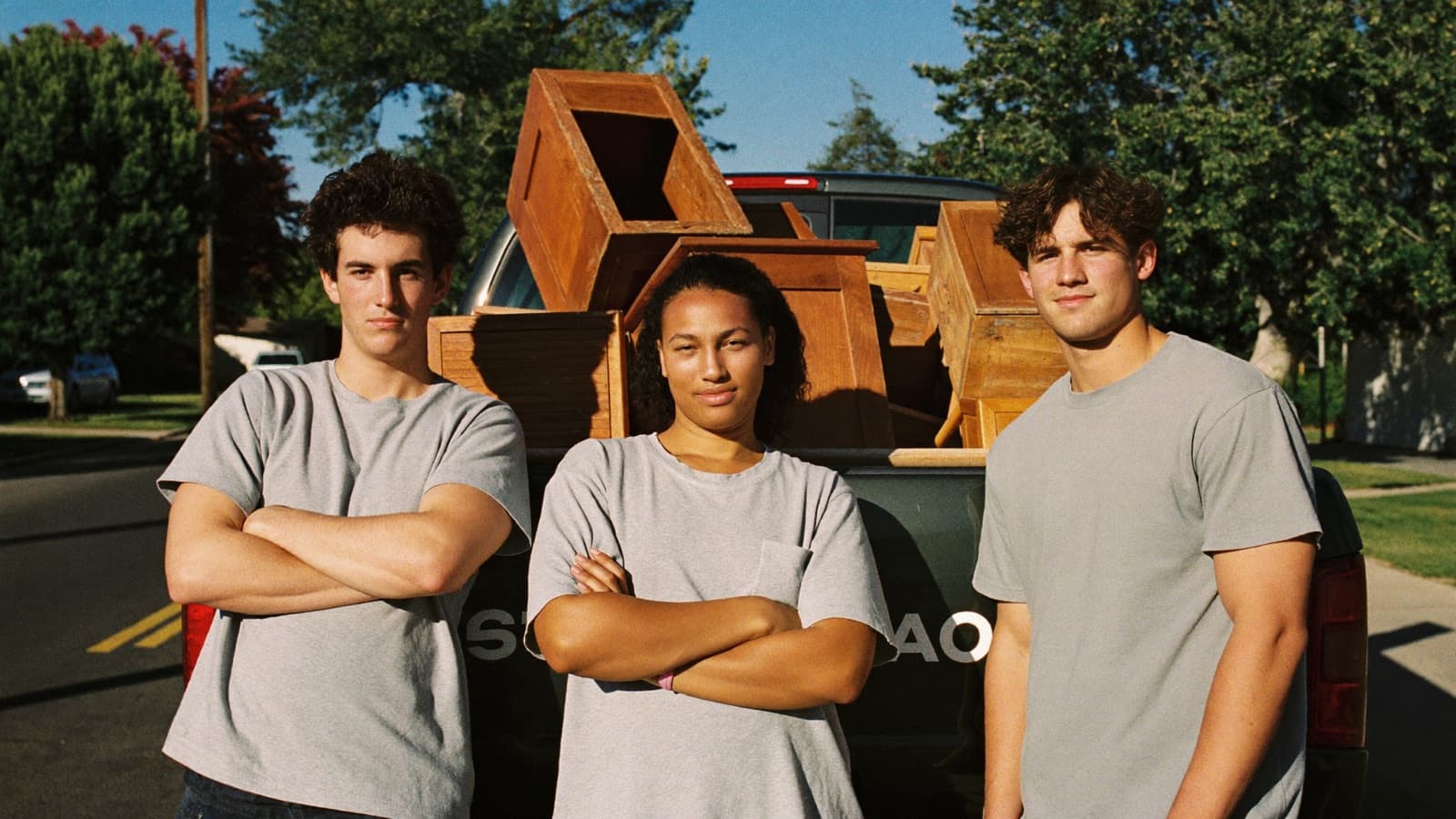
Kirk and his younger brother started Junk Teens in the Boston area in 2021. They were teenagers. Their startup capital was a $4,000 Ford F-150 bought with money they saved themselves, no parental money behind them. By 2023 the company did $930,000 in sales, and when I interviewed Kirk in 2024 they were chasing seven figures while he was still in college.
Here is what makes their story worth studying. My company grew on Google Ads. Junk Teens got to nearly a million dollars without touching Google Ads until recently. Their engine was Facebook ads at roughly $200 a day, about $4,000 a month, sending people to their website. And the ads that worked were not "hire us, we haul junk" ads. The ads that worked told the story of who they are: two young brothers building something. Story beats sales pitch, every time.
The operation behind it: a rotating pool of about 20 W2 employees, with four to six working a typical busy day. Kirk stays in school because he delegates. Accountants, bookkeepers, SEO help, marketing help. And they still have rough edges. When we talked, they were running the whole thing on Apple Notes, Google Forms, and QuickBooks, with his brother personally answering calls and texts. Almost a million dollars in sales, held together with duct tape. It happens more often than you think.
JunkGuys Nashville: $500K with no paid ads
Carson left his construction job about two and a half years before I rode along with him in Nashville. When I visited, he believed the company could close in on $500,000 in sales for the year. Lean crew: Carson, one main employee, two part-timers, two trucks.
Now the part that surprises people. No Google Ads. No Facebook ads. No Thumbtack, no Angi, no Yelp. He tested Google Local Services Ads, hated the lead quality and the refund process, and walked away.
So where does half a million dollars come from? Compounding. Roughly 30 percent of his business is commercial and net-30 work, mostly multifamily and property management relationships. The rest is organic Google visibility, the map pack, referrals, HOA Facebook posts, and repeat customers. None of those channels produce results in week one. All of them stack if you grind for years.
His equipment path is a lesson on its own: pickup and trailer, then a box truck, then a self-dumping dump truck. In hindsight he told me he would have bought the box truck sooner, because trailers are hard to hand off to employees. And in Nashville, some transfer stations require a self-dumping vehicle, so the dump truck literally unlocked closer, cheaper dumping. Local knowledge like that never shows up in a course.
Sonoma Strong: from addiction to a junk removal empire
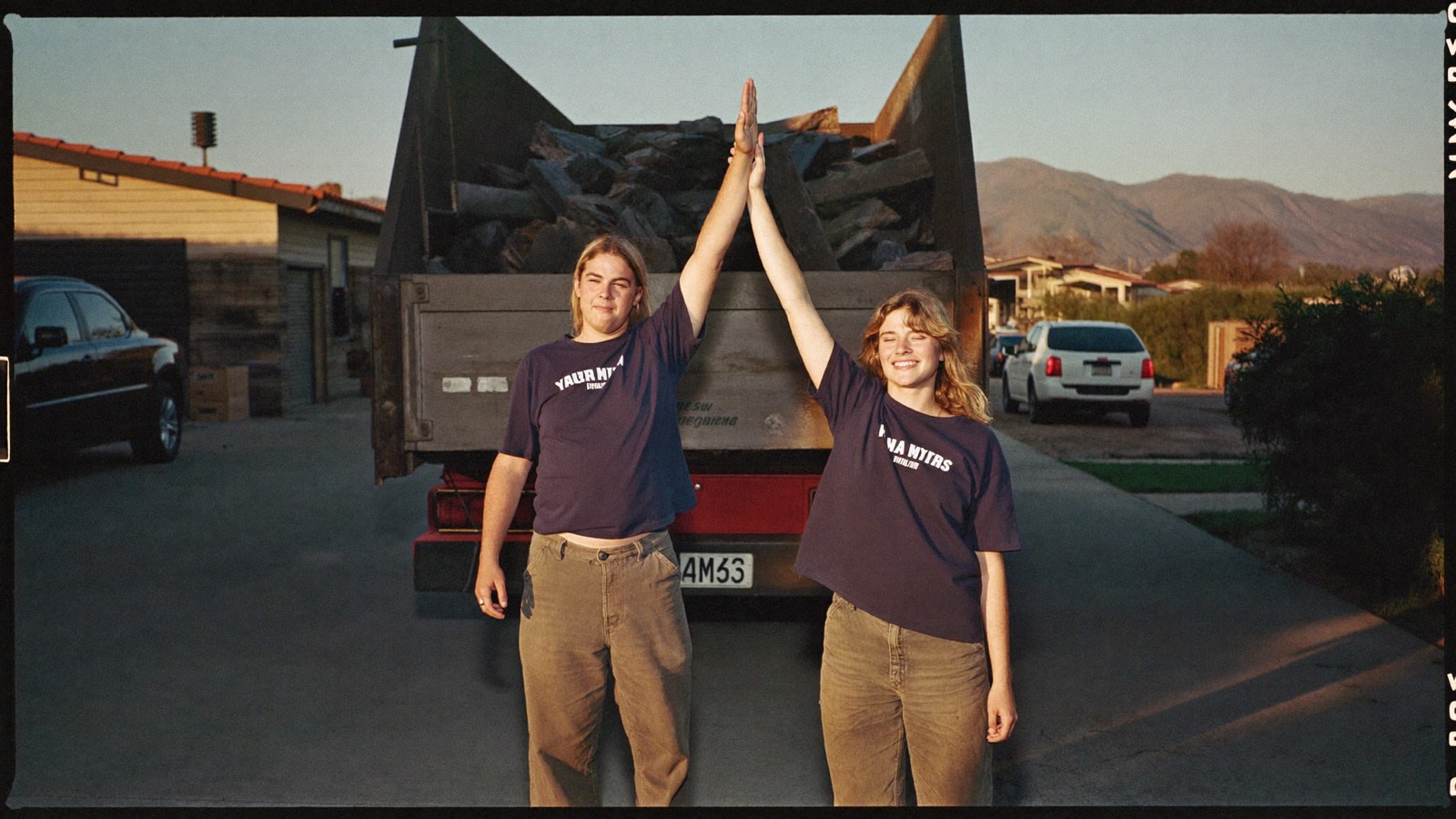
Matt from Sonoma Strong Hauling has the story that gets me every time. Gangs growing up. Arrested at 12. Years in and out of jail. He got sober at 35, after his last drug use happened in jail. His wife Jojo had her own restart, leaving a controlling marriage with two garbage bags of belongings.
The business idea came from a Salvation Army program where Matt worked donation trucks. Customers kept asking what to do with the stuff that could not be donated. That question is a business. After about two years at Safeway making around $15 an hour, he bought a 2002 Toyota Tundra long bed for $5,000 and started hauling junk on the side, hoping for an extra couple thousand a month.
He calls that truck the best investment he ever made. The business bought them a home, trucks, a boat, and the freedom to work when they want. That is their definition of success, and I respect it: they are not chasing 50 trucks, they are the go-to company in Sonoma County and they still enjoy the work.
One number from Matt worth stealing: he sent a text blast to 1,700 past contacts and it generated about $10,000 and roughly 35 jobs. His warning was that the phone rang nonstop, so stagger your sends. Your old customer list is an asset, and a text blast is how you cash it. I broke down exactly how to turn old customers into new jobs in another post.
The software engineer doing $1,000 days (my story)
The fourth case study is me. Before junk removal I was in tech, building a travel app called Gypsy. The pandemic killed the travel space and left me with a girlfriend, two kids, and no money. A friend had pitched me on junk removal earlier, the partnership fell apart, and I launched alone because I needed income fast.
I built my own Wix site, then worked Craigslist, Thumbtack, Google Business Profile, reviews, and eventually Google Ads. Month one was slow. Then $500 to $700 days. Then $1,000 became the floor, with $2,000 days at the peak. Monthly it went roughly $10,000, then $15,000, then $20,000 to $25,000 in December, then $43,000 gross in January, my fifth month.
It was not cheap. In competitive California I was spending $200 to $600 a day on Google Ads, and phone calls cost me about $45 to $60 each. Single-item jobs fought my minimums while I paid for every call. But the machine worked, and it eventually became a business that grossed over a million dollars in its first year. The full breakdown is in how I built a $1M junk removal business, and it also led to my biggest single job, a $115,000 warehouse cleanout.
The pattern across all four junk removal success stories
Line the four up and the pattern is loud.
- Nobody started with money. A $4,000 F-150. A $5,000 Tundra. A construction paycheck. A dead startup and two kids. If you are waiting until you can afford a wrapped box truck, you are waiting for nothing.
- Each one built ONE engine. Junk Teens ran story-driven Facebook ads. Carson compounded organic and commercial relationships. Matt built a local brand people love. I bought the phone ringing with Google Ads. Nobody did everything. Everybody did one thing relentlessly.
- They all did the work first. Every one of them hauled the junk, answered the phones, and ate the dump runs before they hired anyone.
- Systems came after revenue, not before. Junk Teens hit $930K on Apple Notes. That is not a recommendation, it is proof that hustle covers for missing software early on. Eventually the duct tape rips, which is why the smart ones move their customer list and scheduling into real junk removal software before the chaos costs them jobs.
I made a full video breaking down four more case studies, including an operator with 5,000 YouTube videos and a company with an 811-page SEO moat. Watch it here.
What junk removal success stories leave out
Now the honest part, because I refuse to write recruitment propaganda.
Every number above is gross revenue, not profit. My own million-dollar year netted a fraction of the headline after ads, labor, insurance, fuel, and dump fees. When someone says "million dollar business," train yourself to hear "million dollars of sales." I wrote a whole post on what junk removal owners actually take home if you want the real math.
The market is also more crowded than it was. When I scraped Google Maps building Autopilot, I found around 39,000 junk removal listings, and my estimate after filtering is close to 20,000 real companies in the US. Licensed, insured, uniformed, and reviewed is now table stakes, not a differentiator. The four operators above win because they each built an engine on top of the basics.
And the work is brutal. Matt still gets on the truck. Carson was hauling when I filmed with him. Anyone selling you a passive junk removal empire is selling you fiction.
FAQ: junk removal success stories
Can you really make a million dollars in junk removal?
Yes, in gross revenue, and I did it in my first year. Junk Teens did $930,000 in their third year. But gross is not take-home. Realistic profit margins for a well-run operation land far below the headline number once you subtract labor, ads, insurance, fuel, and dump fees.
How did these companies get customers without big budgets?
Each one picked a single channel and went deep. Facebook story ads for Junk Teens, commercial relationships and organic Google for JunkGuys Nashville, local brand and community for Sonoma Strong, and paid search for me. Pick the engine that matches your skills and your market, then feed it for years.
How long does it take to build a successful junk removal business?
My company crossed $43,000 in a month by month five, but that came with heavy ad spend and brutal hours. Carson took two and a half years of organic grinding to approach $500,000. Plan on 6 to 12 months of owner-operator work before the business resembles anything like the stories above.
Do I need employees to have a junk removal success story?
Depends on your definition of success. Matt and Jojo run lean and love their life. Junk Teens rotates 20 W2 employees so the founders can stay in school. Both are wins. Decide whether you want an income or an empire before you copy anyone's playbook.
Write your own numbers
Every operator in this post eventually hit the same wall: the customer list, the schedule, and the phones outgrew their memory. Autopilot plans start at $49 a month for the customer list and schedule, with the full phone system on Scale at $299. Start a free trial or check the pricing and see what the duct tape is costing you.
Find more Autopilot guides on Google
Add Autopilot as a preferred source to see more of our latest advice in Google Search and AI results.