Table of contents
- The three ceilings every junk removal business hits
- Ceiling one: everything runs through you
- Ceiling two: one truck and maxed-out leads
- Ceiling three: the million-dollar wall
- Can you actually scale a junk removal business?
- The way through: build the machine before the wall
- FAQ: scaling a junk removal business
- Watch your numbers, not the wall
My first location was doing $40,000 to $60,000 a month within a few months of launch, with a best month near $70,000 including tips. The truck ran seven days a week. And I still could not add a second truck in that market. Not because I lacked hustle, money, or leads in general. Because the specific leads that fed that truck were already maxed out.
That is the thing nobody tells you when they yell at you to scale your junk removal business: every operator hits a ceiling, the ceiling is almost never effort, and pushing harder on the same wall just leaves dents in your forehead.
I eventually grossed over $1M in my first year, ran two locations, and then sold the company, so I have seen the ceilings from both sides. Here are the three walls every junk removal business hits, what actually breaks at each one, and the honest way through.
The three ceilings every junk removal business hits
Stripped down, the walls show up in the same order for almost everyone:
- The owner ceiling. Everything runs through your head and your hands, so the business caps at whatever you personally can hold.
- The one-truck ceiling. Your truck is fully booked, your main lead channel is maxed, and there is no obvious source of jobs for truck two. Depending on your market, this wall sits around $300K, $400K, or $500K per truck per year.
- The million-dollar wall. Getting past roughly $1M means new markets, real employees, and capital, and the job changes from hauling junk to running an operation.
Different revenue, same root cause every time: some resource you did not build ahead of time, attention, leads, or leadership, just ran out.
Ceiling one: everything runs through you
The first ceiling is the least visible because the business often looks healthy from outside. The best example I have ever walked through is a Dallas operator I did a teardown on: 18 years in business, thousands of YouTube videos, aged websites that rank organically, and reportedly around $385,000 a year in revenue with roughly $290,000 of it profit. Those numbers are alleged, not audited, but take them at face value and the margins are phenomenal.
Now the other side. Jobs tracked in Google Calendar. No CRM, so 18 years of customers exist nowhere as a marketable database. A Google Business Profile with a fraction of the reviews 18 years should produce. Everything, from quoting to dispatch to customer memory, living in the owner's head. My honest estimate was that a buyer might only pay around half of one year's profit for the whole thing, because nothing about it transfers.
That is the owner ceiling: fantastic job, invisible business. The revenue caps at the owner's hours, and worse, the value of the company rounds to the equipment. Getting past it is not about working more. It is about moving the business out of your skull: a real customer database, documented pricing, systems that answer and follow up without you, and numbers on a dashboard instead of in your gut. I wrote the step-by-step handoff order in how to get off the truck.
Ceiling two: one truck and maxed-out leads
The second ceiling is the one that surprised me personally, because I thought scaling meant buying trucks.
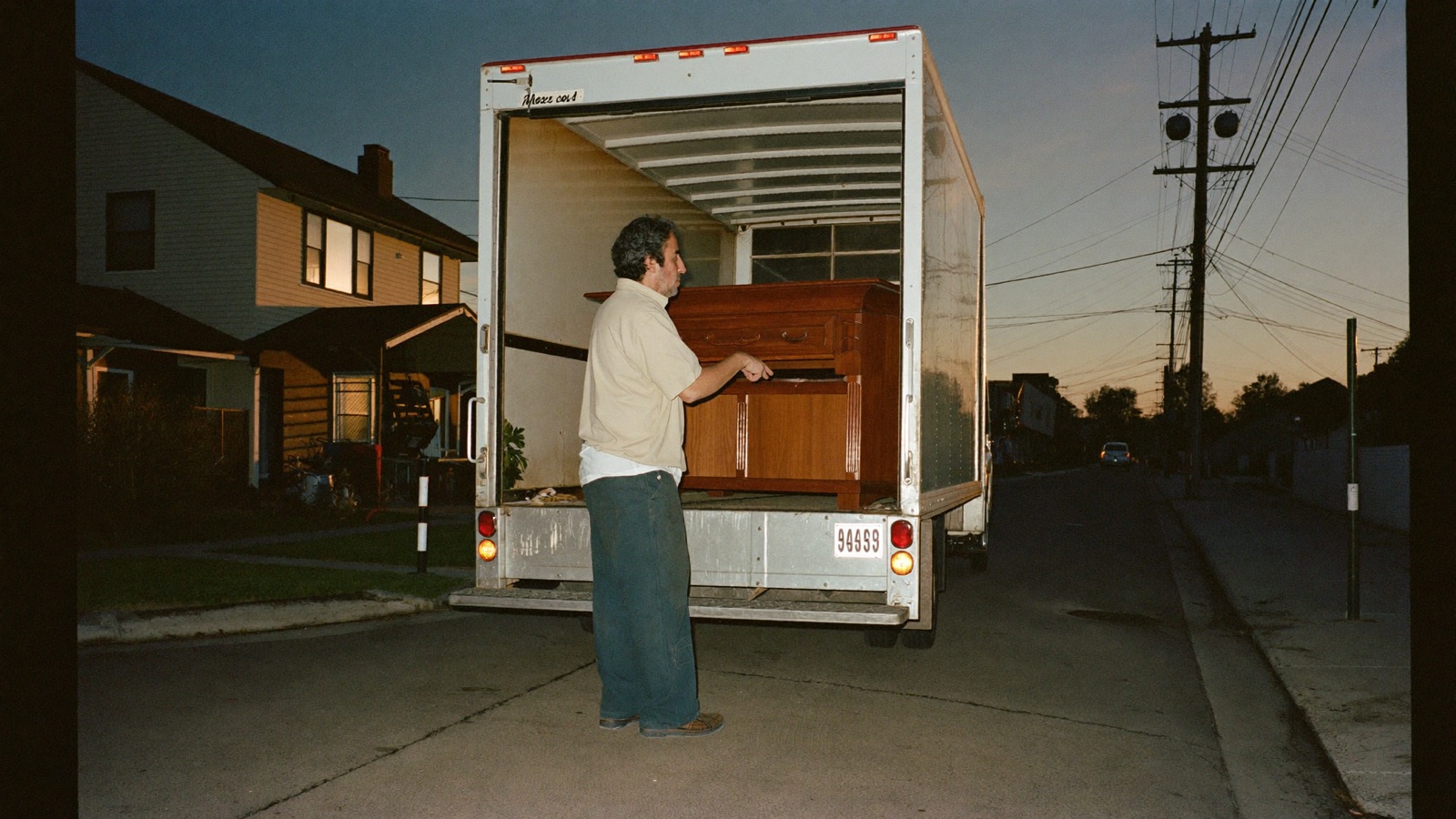
Here is the trap. One truck, run well, will gross somewhere around $300,000 to $500,000 a year depending on your market's prices and density. My two locations each did about $500,000. And a truck gets fully booked on a surprisingly small number of lead sources: usually Google Ads plus repeat customers, referrals, and a platform or two. The moment that truck is full, adding capacity requires a whole second truck's worth of demand, and your main channel probably cannot produce it. Mine could not. Google Ads in my home county was already producing everything the search volume allowed.
Your options at that point are all slow or expensive. SEO can absolutely break the ceiling, but in a competitive city it takes 6 to 24 months to rank for the money keywords. Facebook ads, Thumbtack, and commercial accounts each add a trickle. Referrals and repeat business compound beautifully, but on a multi-year clock. This is why so many operators sit at the same revenue for years: the truck is full, the dial is maxed, and everything else takes patience they have not budgeted for. When people say you cannot scale a junk removal business past one truck, this wall is the thing they are actually describing.
I knew an operator doing about $1M a year in sales plus an estimated $50K to $100K from scrapping and reselling who stayed at that exact level for years. Not stuck lazy. Stuck structurally. I made a full video about this exact wall: https://www.youtube.com/watch?v=jLhXdnmsxMA
The way through ceiling two is boring and starts a year early: plant the slow channels before you need them. Reviews accumulating every week, city and service pages compounding in the rankings, property managers who know your name, and a past-customer list that gets remarketed on schedule. Demand growth has a lead time. Order it before you are hungry.
Ceiling three: the million-dollar wall
Past the one-truck ceiling, the next wall is nastier: new markets. When my home county maxed out, I launched a second location in Los Angeles, 60 miles away, with employees on the truck from day one. It eventually worked, and it was the hardest thing I did in the business.
LA clicks cost more and converted worse until I learned which pockets of the city to target. Even pushing the budget toward $1,000 a day, I could not reliably generate enough volume to keep two LA trucks busy. Every new-market problem arrived at once: capital for the truck and equipment, expensive credit, hiring without being there, breakdowns I could not drive to, and quality control through a phone screen. This wall is exactly why so many operators end up looking at franchising, and why I would rather you see the wall coming than learn about it from a loan payment.
For scale, here is the blueprint I would use to build a $3M junk removal operation, reverse-engineered from real per-truck numbers. A truck conservatively produces about $400,000 a year, so $3M means roughly seven to eight full-time trucks spread across large metros. Before opening each market I would build about 100 pages of city and service SEO, stand up Google Business Profiles, and start commercial outreach by scraping apartment complexes, property managers, storage facilities, and realtors, on the order of 1,500 cold emails a month with automated follow-ups. Then for each launch: fly in, hire a strong lead employee, work the trucks with the crew for a couple of weeks, and grow that person into a local operations manager. Notice how little of that is hauling junk. Past the wall, you are building a company that builds locations.
Can you actually scale a junk removal business?
There is a take that floats around, and I have argued a version of it myself: you cannot scale a junk removal business. Here is the precise version. Scaling means revenue growing faster than costs. Software scales. In junk removal, every new truck brings payments, insurance, payroll, workers comp, fuel, dump fees, and a manager's worth of headaches, so costs grow nearly in lockstep with revenue. Junk removal grows. It does not scale like software, and anyone selling you effortless empire math is selling.
Now the rebuttal, because "hard" is not "impossible." Define the actual goal. Becoming a millionaire from junk removal means either selling the company for $1M cash or producing $1M a year in real profit. At a 20% margin, $1M in profit takes about $5M in gross revenue. Operators have built that and bigger, over decades, with systems and patience. It is real, and it is a long game, not a 14-month sprint.
Also real: my company grossed about $1M a year and sold for $225,000. That spread between revenue and value is the entire lesson of how I built a million dollar business, and it is why the smartest operators build for value, not headlines. Clean books, a real database, transferable systems, and diversified lead flow raise the multiple on every dollar of profit. I broke down what buyers actually paid for in how to sell a junk removal business.
And honestly? An owner-operator doing $300,000 to $400,000 a year with fat margins and no empire ambitions may have the best seat in the industry. The ceiling is only a problem if what you want is on the other side of it.
The way through: build the machine before the wall
At my peak I ran two trucks, two locations, eight full-time field employees, and two call agents in the Philippines handling phones and dispatch. What made that survivable was not talent. It was that the machine existed before the load arrived: call tracking on every channel so I knew what produced jobs, automated texts and review requests running without me, documented training, and a daily profit-and-loss habit that caught margin rot in days instead of quarters.
That is the pattern for every ceiling, and it is the real answer to how you scale a junk removal business: you do the building before the wall, not at it. The owner ceiling breaks when systems replace memory. The one-truck ceiling breaks when demand channels get planted early. The million-dollar wall breaks when leadership and reporting scale with the trucks. In every case, the work happens before the wall, and the tools are not exotic: a schedule, a database, a phone system, automation, and numbers you actually read. That is the entire reason Autopilot exists as one platform instead of the seven subscriptions I used to juggle.
FAQ: scaling a junk removal business
Why do most junk removal businesses stop growing?
Because some resource runs out before the ambition does: the owner's hours, the market's search volume, or the capital and leadership for a new location. Most operators respond by working harder on the maxed-out channel, which changes nothing. Diagnose which ceiling you are actually at before spending another dollar.
How much revenue can one junk removal truck produce?
Around $300,000 to $500,000 a year depending on market prices and density. My locations each did about $500,000 per year with one truck apiece. When someone claims a number far above that range, ask about their market, their average ticket, and how many days a week that truck really runs.
Is it worth adding a second truck?
Only if you can answer where a full second truck's worth of jobs will come from. If your main lead channel is already maxed, the honest answers are slow ones: SEO, referrals, commercial accounts, and remarketing, which need 6 to 24 months of runway. Buy demand generation before you buy steel.
Can junk removal make you a millionaire?
Yes, on a long timeline: either build to around $5M in revenue at healthy margins or build a company clean enough to sell for a strong multiple. My million-gross company sold for $225,000 because it was young and ad-dependent. The wealth is in profit and transferability, not the revenue headline.
Watch your numbers, not the wall
Every ceiling announces itself in the numbers months before you hit it: booking rates flattening, cost per job creeping, one channel carrying too much weight. Autopilot puts your calls, jobs, sources, and revenue on one dashboard so you can see the wall coming, for $49 a month. Start a free trial or compare plans on pricing.
Find more Autopilot guides on Google
Add Autopilot as a preferred source to see more of our latest advice in Google Search and AI results.